
2026-09-16 ·
When to Schedule Rodent Inspections Before Selling a Home
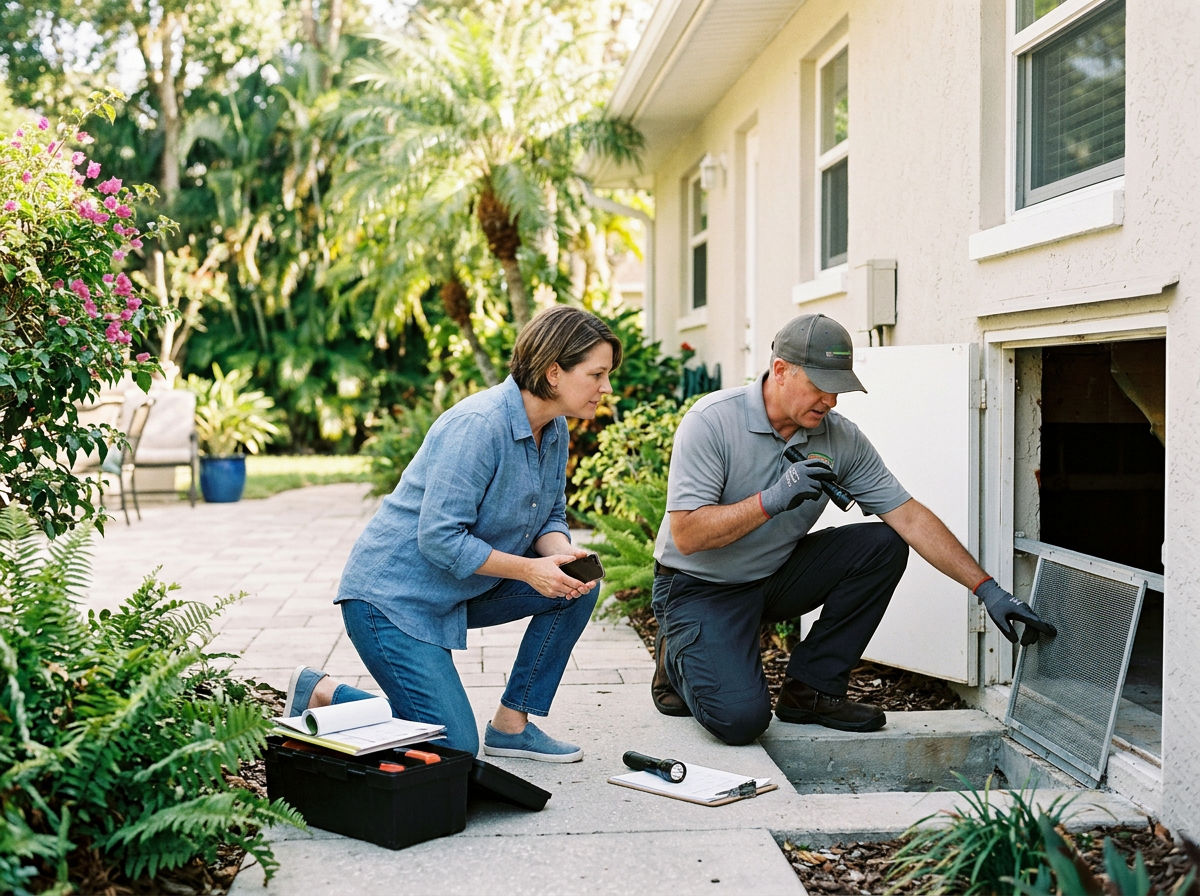
Schedule rodent inspections 4-6 weeks before listing the home. This window gives time to locate roof rat trails, seal gaps, and complete attic sanitation so buyers and inspectors find no signs of activity during showings.
Timing the Inspection Around the Sales Process
Begin with a full inspection once the decision to sell is firm but before the property goes live on the MLS. In Bartow and surrounding areas, roof rats remain active year-round because there is no winter die-off. An inspection at the 4-6 week mark allows crews to identify entry points through soffits, barrel-tile voids, and vent boots, then perform exclusion work before professional photos and open houses. Waiting until after the listing appears often leads to rushed repairs that show during buyer inspections. Early detection also prevents the need to disclose active issues on the seller disclosure form. The same timeline works whether the home is in a newer subdivision or an older neighborhood with mature oak canopy.
Florida Roof Rat Entry Points Sellers Commonly Miss
Roof rats reach attics by traveling across oak branches and palm fronds that touch the roofline. They slip through gaps as small as 1/2 inch around soffits, pipe penetrations, and damaged vent boots. Barrel-tile roofs create additional voids that allow easy access. A pre-listing inspection maps these routes so exclusion can focus on the actual pathways rather than random sealing. Homeowners can reduce future pressure by trimming trees and palms back 6 feet from the roof edge, a step that pairs well with the inspection findings. The Rodent Exclusion and Sealing process uses 1/4 inch hardware cloth and metal flashing to close these openings permanently.
What the Inspection Covers in the Attic and Exterior
Inspectors examine insulation for droppings, urine stains, and nesting material while checking for any rodent that may have died inside a wall cavity. Odour typically develops within 3-5 days once a rodent dies in an enclosed space, so early removal avoids surprises during showings. They also note current roof rat activity levels, since these rodents produce 4-6 litters per year and populations can increase quickly in warm months. Exterior checks focus on tree canopy contact, palm frond proximity, and soffit condition. Findings are documented with photos so sellers understand exactly which areas require work before the home is shown.
Next Steps After the Inspection Report
Once the report is delivered, prioritize exclusion over trapping or baiting because sealing prevents new rodents from entering. Attic cleanup and sanitation follow to remove contaminated insulation and droppings that could concern buyers. Sellers who complete these steps before listing avoid last-minute negotiations over pest issues. For ongoing prevention after the sale, the guide Landscaping Changes That Reduce Rodent Habitat outlines specific trimming distances and plant choices that limit roof rat access. Scheduling the inspection at the recommended 4-6 week mark keeps the sales timeline on track and the home free of visible rodent evidence.