
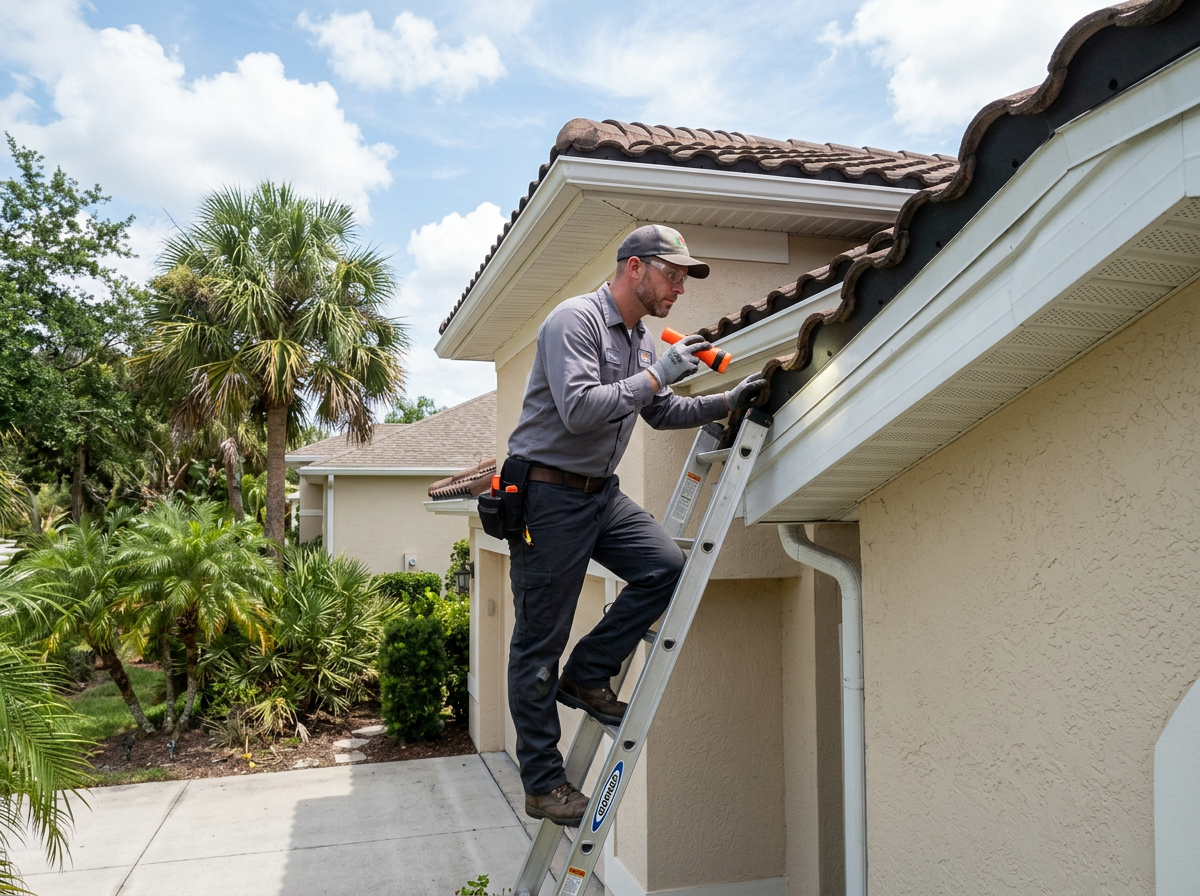
Florida Roof Rat Control That Starts With Overhead Sealing
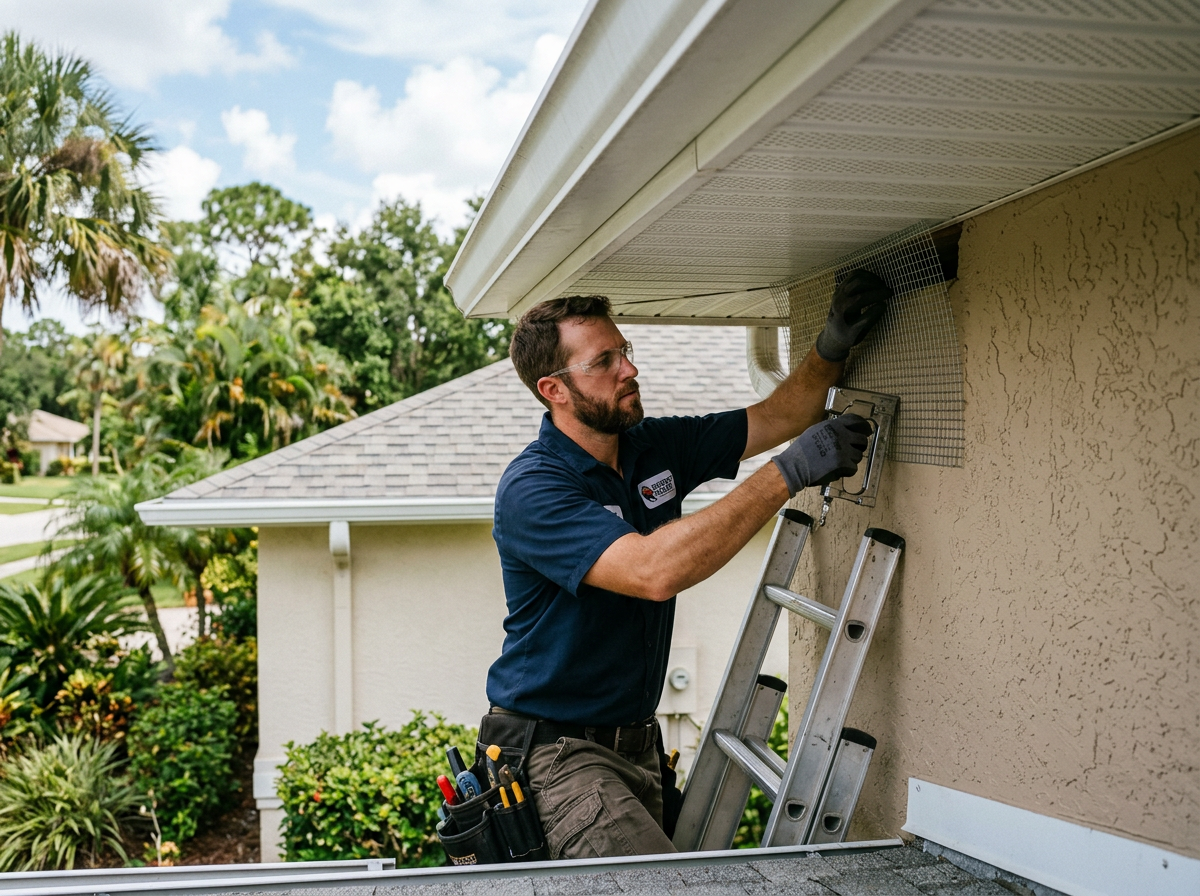
We seal soffit gaps, fascia, vent boots, and palm fronds touching the roofline first, then trap inside the envelope so rodents do not refill from the canopy within weeks.
Rodent Control Services Across Florida
Rodent Control
Targeted rodent control for Florida roof rats that enter overhead through roofline gaps, soffits, an… Scope depends on the number of ove.
Rat Removal
Targeted roof rat removal that seals overhead entry points and traps inside the structure in Bartow … Scope depends on roof access, numb.
Mouse Control
Targeted mouse control that addresses ground-level gaps and interior activity common in Florida home… Pricing follows a full inspection .
Rodent Exclusion and Sealing
Overhead entry sealing that stops roof rats from re-entering Florida structures without relying on b… Scope depends on roof height, numb.
Attic Cleanup and Sanitation
Targeted attic cleanup and sanitation after rodent activity in Florida homes where droppings and uri… Scope depends on insulation depth,.
Roof Rat Control
Roof rat control in Florida focuses on sealing overhead entry points and trapping inside the structu… Scope depends on roof access, numb.
Rodent Control Built For Florida Conditions
Our methods target roof rats that climb in from overhead cover and breed year-round, using exclusion to stop new entries instead of relying on bait alone.
Overhead Entry Sealing
Soffits, barrel tile gaps, and vent boots are closed off so roof rats lose their routes in from canopy branches.
Trapping Inside A Sealed Envelope
Work happens inside a fully excluded structure so the population cannot refill from outside during or after service.
Year-Round Roof Rat Focus
Florida roof rats breed continuously with no winter die-off, so we prioritize barriers that hold up every month.
Exclusion Over Baiting
Permanent sealing stops access more reliably than repeated bait applications in the state's climate.
Roofline Vegetation Trimming
Canopy growth is cut back from the roof edge to remove climbing paths before rats reach the structure.
Statewide Service From Bartow
Jobs are handled across Florida from the base at 870 E Gay St, Bartow, FL 33830 with the same overhead exclusion approach.
Rodent Control Across Florida
We begin every rodent control job with a complete exterior and roofline inspection that maps every possible entry point rodents use to reach attics and wall voids. Our technicians seal those openings with materials the roof rat cannot chew through, then set traps inside the now-sealed structure. When insulation or droppings require it, we follow up with targeted attic cleanup to restore the space.
One crew covers the entire state from our base at 870 E Gay St, Bartow, FL 33830. That means we handle barrel-tile roofs in coastal and Keys towns, older frame cottages in central citrus and ranch country, and the varied rooflines found in North Florida springs towns and Gulf fishing communities. A barrel-tile installation needs different flashing and gap treatments than a 1950s wood-frame cottage with wood soffits, and our methods adjust for each.
“Upfront quotes and workmanship you can inspect on every rodent control project across Florida.”
What to expect, start to finish
Full Exterior And Roofline Inspection
Technicians begin with a complete check of the exterior and roofline on properties across Florida to find overhead entry points favored by roof rats, along with signs such as scratching noises in the ceiling at dusk and droppings along attic beams.
Sealing Every Entry Point
All gaps are closed, including openings as small as a dime that rats can use, creating a sealed envelope around the structure so new rodents cannot enter from outside.
Trapping Inside The Sealed Envelope
Traps are placed inside the sealed building to remove the existing rodents, because baiting alone fails without sealing and sealing without trapping leaves the rats inside with no exit.
Cleanup And Verification
Contaminated insulation is removed where needed, the property is checked for remaining activity, and trees or palms are trimmed back from the roof to reduce future access before final verification.
6
Specialist services
59+
Cities covered
Free
Estimates & advice
Cities we serve
Rodent Control Across Florida — Cities We Serve
Polk · Hot humid summers with mild dry winters.
Rodent Control and Pest Control Tips & Guides for Florida
2026-09-16
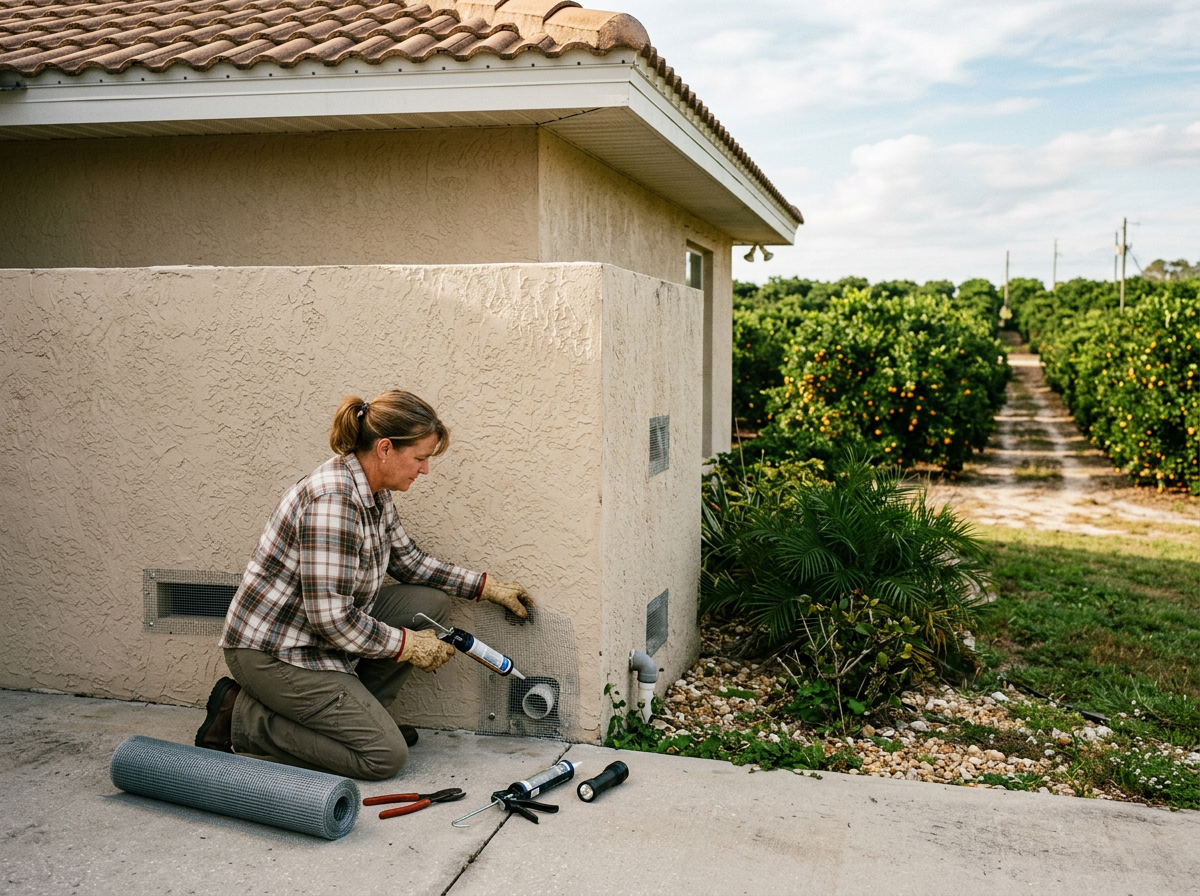
Rodent Prevention for Homes Near Bartow Citrus Groves
Homes near Bartow citrus groves attract roof rats that move through tree canopies and palm fronds. Prevention centers on maintaining clearan…
2026-09-16
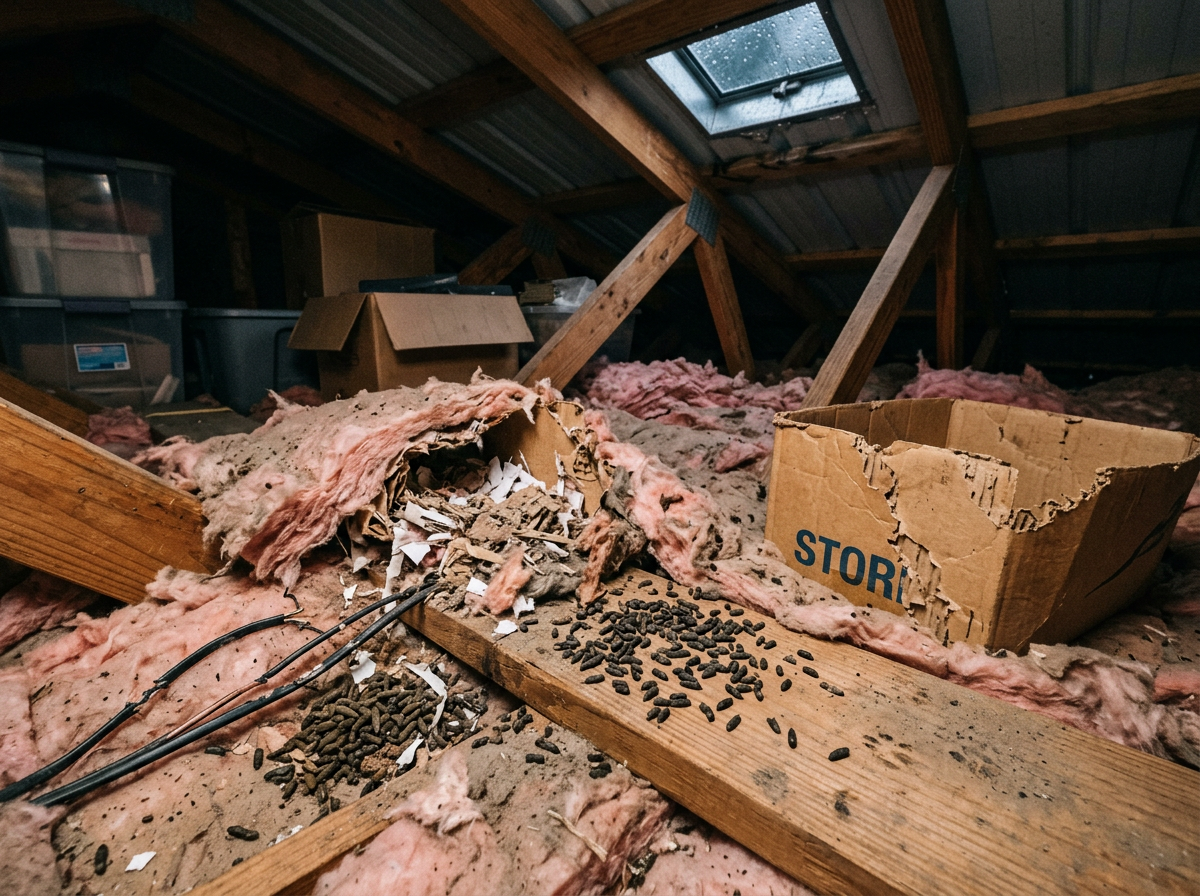
Signs of Mice in Attics During Florida's Rainy Season
Florida's rainy season pushes mice into attics for shelter. Early detection of droppings, sounds, and stains prevents further attic damage.
2026-09-16
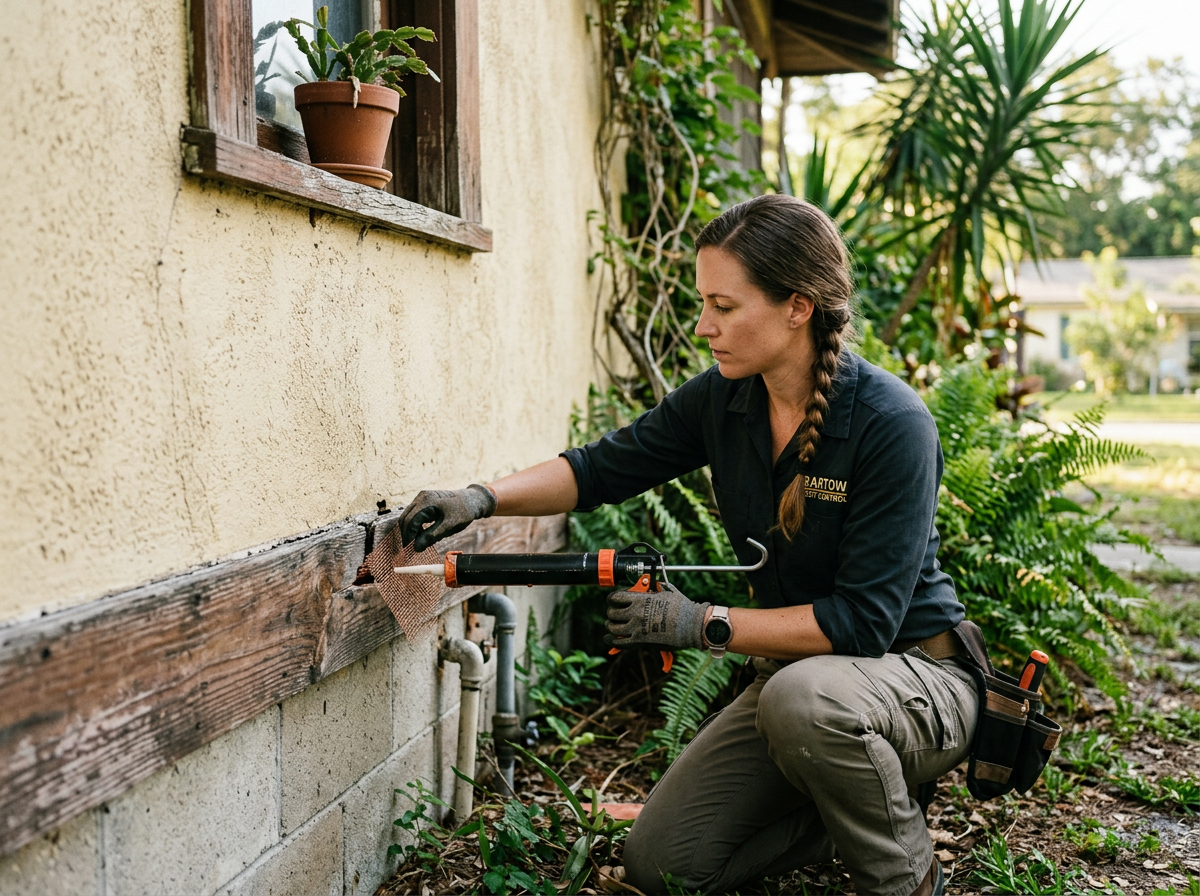
Sealing Entry Points on Older Bartow Homes
Older Bartow homes face roof rat entry through small gaps in soffits, barrel tiles, and vent boots. Sealing these points with proper materia…
Good to know
Rodent Control FAQs — Florida
Still have questions? We're happy to talk it through.
(863) 304-9209